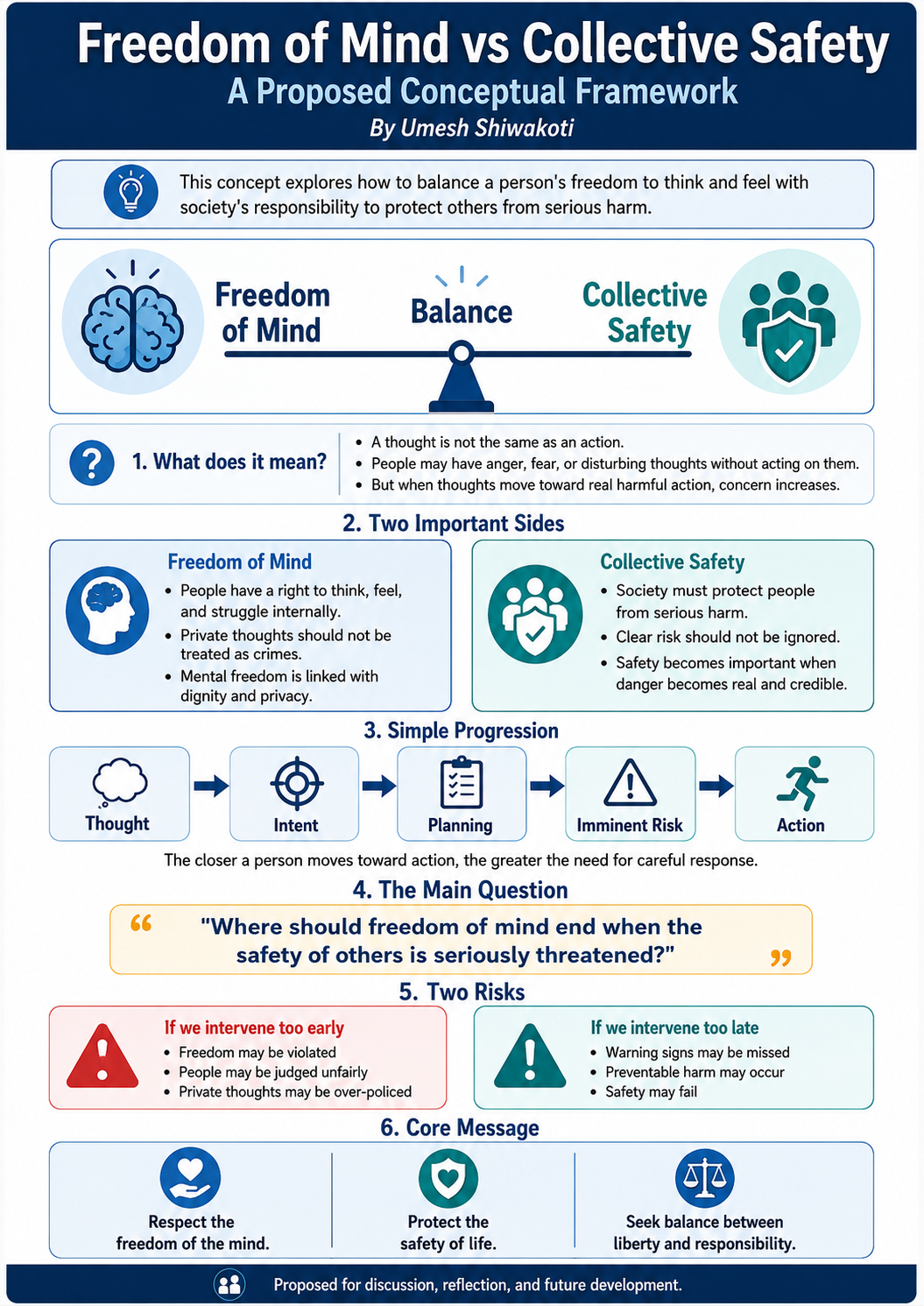
By Umesh Shiwakoti
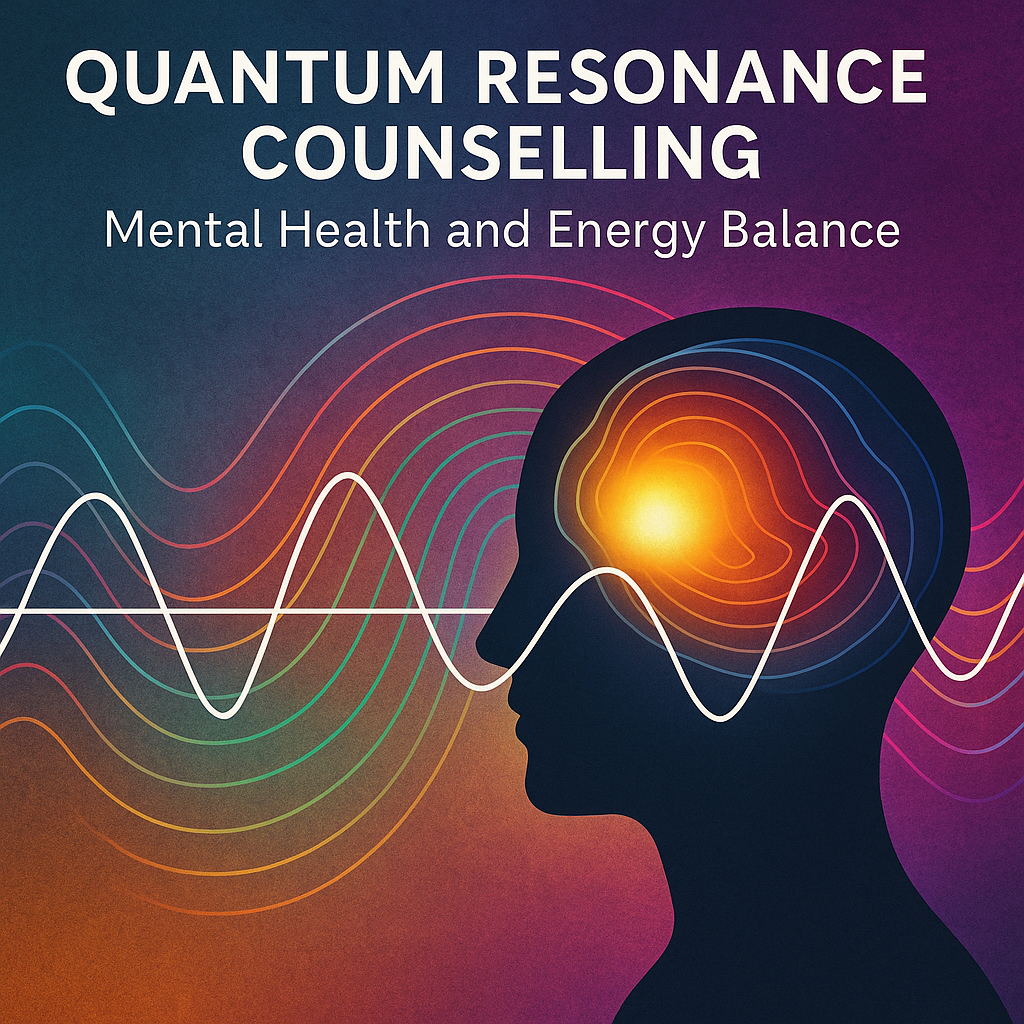
Nepal is a country rich in culture, tradition, and spiritual practices. People grow up surrounded by temples, rituals, worship, meditation, yoga, and community ceremonies that shape their daily lives. These cultural practices naturally influence emotional well-being, coping mechanisms, and interpersonal relationships. Quantum Resonance Counseling (QRC), founded by Umesh Shiwakoti, integrates these cultural practices into counseling, making therapy more effective, relatable, and culturally sensitive. QRC focuses on emotional resonance, relational attunement, and client-centered interventions. Unlike belief-based or spiritual healing systems, QRC uses cultural exercises as tools for emotional regulation and mental health, rather than relying on supernatural power or divine intervention.
Many Nepali households follow morning and evening prayers. Visiting temples, lighting candles, chanting mantras, and practicing meditation are daily routines that create calmness, focus, and emotional connection. QRC leverages these familiar practices to support therapeutic goals. For instance, mindful breathing during prayer or meditation helps regulate the nervous system, reduce anxiety, and improve attention. Similarly, yoga postures, widely practiced in Nepal, are adapted in QRC to release tension, improve body awareness, and manage emotions. Here, cultural exercises are functional and evidence-based, not mystical or faith-based.
Quantum Resonance Counseling is grounded in the principle that healing occurs through relational resonance between the therapist and the client. The counselor’s empathy, presence, and attunement help regulate clients’ emotional and physiological states. QRC integrates cultural practices to make therapy relatable while maintaining scientific rigor. Practices like dhyan, meditation, and yoga are culturally familiar, which enhances client engagement and trust. These exercises facilitate emotional awareness, body regulation, and relational connection without invoking supernatural beliefs.
Mindful Breathing in QRC
Mindful breathing is a key exercise in QRC. Clients inhale deeply, hold briefly, and exhale slowly while focusing on sensations in the body. This culturally familiar practice, often part of prayer or meditation, helps clients manage anxiety and develop present-moment awareness. Counselors mirror the client’s breathing to create emotional resonance, strengthening the therapeutic relationship. This exercise is practical, simple, and culturally acceptable for Nepalese clients.
Grounding and Body Scan
Grounding exercises help clients reconnect with their body and environment. Clients focus on feeling their feet on the ground and scan their body from toes to head. Using metaphors like “standing like the mountains” or “feeling rooted like a tree by the river,” common in Nepali culture, makes the exercise relatable. Grounding helps regulate emotions and attention, especially for clients experiencing stress, anxiety, or dissociation.
Guided Visualization
Guided visualization uses culturally familiar landscapes, sacred rivers, temples, or mountains to create a calming mental space. For example, imagining the Bagmati River or the hills of Pokhara helps clients experience relaxation and focus. The counselor observes reactions, mirrors emotional expressions, and provides verbal reflection. This approach connects cultural familiarity with therapeutic goals, supporting emotional regulation without spiritual claims.
Cultural Movement and Yoga
Yoga and gentle movement are widely practiced in Nepal. QRC incorporates these exercises to release tension, improve body awareness, and regulate emotions. Slow postures, stretching, and sun salutations are framed as mind-body exercises. This approach respects culture while focusing on scientifically supported outcomes like stress reduction and emotional balance.
Relational Resonance
Relational resonance is central to QRC. Counselors mirror the client’s posture, tone, and breathing while reflecting feelings verbally. This aligns with Nepalese cultural values of empathy and interpersonal harmony. Cultural resonance strengthens trust, emotional attunement, and engagement, creating a safe and effective therapeutic environment.
Practical Cultural Integration
Many Nepali clients are familiar with rituals such as lighting candles, chanting mantras, and visiting temples. QRC integrates these practices metaphorically. Candles may serve as visual focus for meditation; chanting may help maintain rhythm in breathing exercises. Movement inspired by folk dances or yoga postures engages the body culturally and therapeutically. Language and metaphors enhance understanding: “rooted like a tree” or “standing like mountains” provides intuitive and culturally resonant guidance.
Benefits of QRC with Cultural Exercises
Integrating cultural exercises into counseling offers multiple benefits. Clients participate more actively, manage anxiety and stress effectively, and develop emotional awareness. Cultural exercises strengthen therapeutic alliances and relational resonance, providing a safe, evidence-informed, and culturally sensitive approach. By combining psychology and cultural familiarity, QRC supports both emotional and relational well-being.
Research Potential of QRC
QRC has significant research potential. Future studies can test the effectiveness of culturally adapted exercises on emotional regulation, stress reduction, and relational attunement. Randomized controlled trials can compare QRC with standard counseling to measure outcomes in anxiety, depression, and well-being. Observational studies can explore relational resonance and engagement in culturally diverse Nepali populations. Researching QRC validates it as an evidence-informed and culturally responsive counseling model.
Ethical Considerations
While integrating cultural exercises, QRC maintains ethical boundaries. Exercises are functional tools for emotional and somatic regulation, not spiritual or magical interventions. Clients remain active participants, and counselors follow evidence-based guidelines. This ensures QRC respects culture while providing scientific and ethical mental health care.
Conclusion
Quantum Resonance Counseling (QRC), founded by Umesh Shiwakoti, bridges culture and evidence-informed counseling. By integrating prayer, worship, meditation, yoga, and other cultural practices, QRC respects clients’ cultural identity while promoting emotional regulation, relational resonance, and psychological well-being. Mindful breathing, grounding, guided visualization, gentle yoga, and relational resonance exercises demonstrate how cultural tools can be effective therapeutic instruments. QRC is research-ready, culturally grounded, and evidence-informed, offering a safe and effective counseling model for Nepalese communities and beyond.